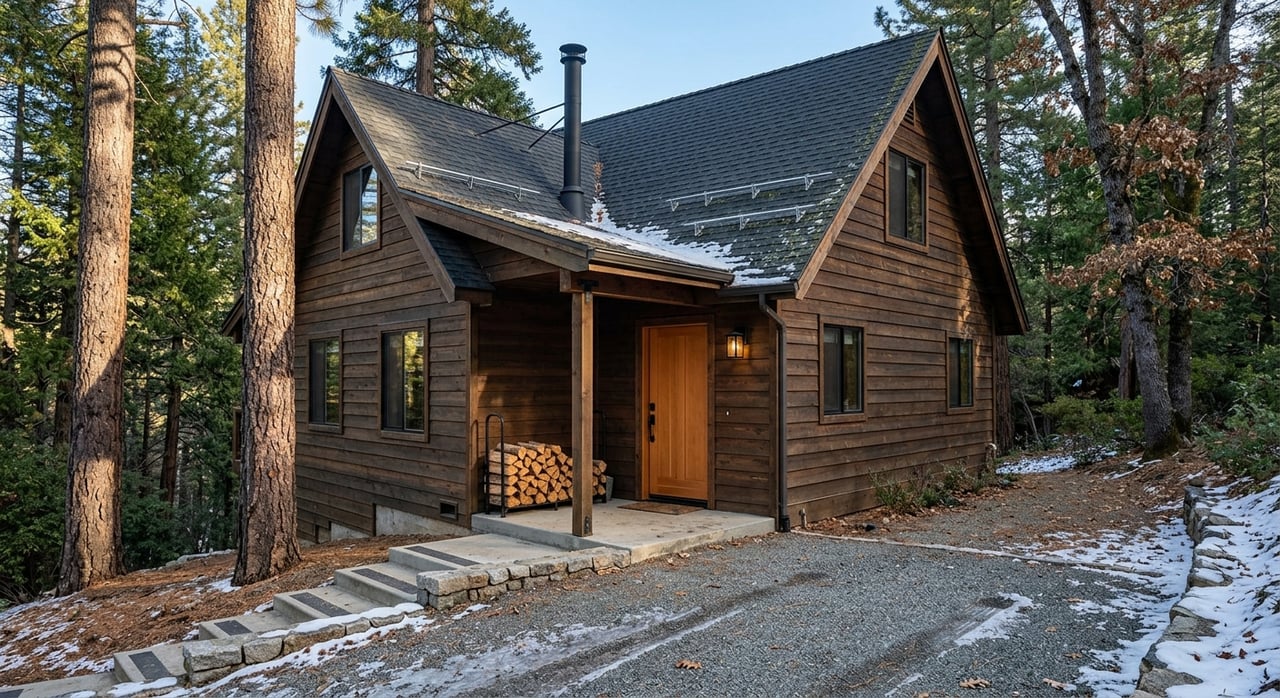
Pine Mountain Club Cabin Buying: A Practical Guide
April 16, 2026
April 16, 2026
Dreaming about a mountain getaway within reach of Southern California? Buying a cabin in Pine Mountain Club can give you that forest setting, cooler weather, and built-in community feel, but it also comes with rules, weather realities, and ownership costs that are very different from a typical suburban home. If you are considering a cabin here, this guide will help you understand what to look for, what to budget for, and what questions to ask before you buy. Let’s dive in.
Pine Mountain Club is an unincorporated community in Kern County located in the eastern Los Padres National Forest at about 5,500 feet. According to Kern County, it is a relatively short road trip from Los Angeles and Santa Clarita, which is part of its appeal for weekend buyers and second-home owners.
What draws many buyers, though, is not commuter convenience. It is the lifestyle. The Pine Mountain Club Property Owners Association manages recreation and services that include a golf course, swimming pool, tennis courts, road maintenance, security, and community events, along with a commercial center with shops, eateries, a market, and a post office.
That mix can make Pine Mountain Club more practical than a more isolated cabin area. If you want a mountain home that still has basic day-to-day support nearby, this is one of the biggest reasons buyers keep Pine Mountain Club on their list.
One of the most important parts of buying a cabin here is understanding the HOA structure. The community is governed by the PMCPOA, a mutual benefit, not-for-profit corporation, and the Environmental Control Office notes that the area is subject to CC&Rs and an Environmental Control Code.
That matters if you plan to remodel, build an addition, install exterior improvements, or do excavation. Construction permits may be required through the association in addition to any Kern County permits, so it is smart to review these rules during escrow instead of after closing.
Amenity access is also more formal than many buyers expect. Under the member card policy, member cards are required to use clubhouse facilities, and tenants, lessees, and guests must be registered by the property owner to receive guest cards.
Cabin ownership costs in Pine Mountain Club go beyond your mortgage, insurance, and utilities. The HOA’s current 2025/2026 assessment fee is $1,985 annually, and buyers should plan for that as a fixed ownership cost.
You may also have additional costs tied to guests, renters, maintenance, and seasonal prep. In a mountain setting, routine ownership can include gutter cleaning, deck maintenance, winterization, and storm-related repairs that may be less common in lower-elevation neighborhoods.
If you are comparing Pine Mountain Club cabins to homes in Santa Clarita or nearby valley communities, this is one of the biggest mindset shifts. The price of the home is only part of the picture. The ongoing cost of maintaining a mountain property matters just as much.
If you buy in Pine Mountain Club, winter access should be one of your first due diligence priorities. The community’s visitor guidance says winters can bring below-freezing temperatures and several feet of snow, and that road access may be restricted or closed. Chains or 4WD/AWD may also be required.
The winter preparedness page adds useful detail. PMCPOA tracks snowplow status for PMC roads, while Mil Potrero Highway is county-owned and the association clears the other PMC roads and the access road.
For you as a buyer, this affects more than convenience. Snow can influence your ability to reach the home, host guests, receive deliveries, or coordinate repairs. If the property is meant to be a part-time escape, you should think through what happens if weather hits before or during your planned stay.
Mountain ownership also means being realistic about outages and emergencies. PMCPOA says snowstorms and power outages are common enough that the clubhouse has an emergency generator and remains open 24/7 during severe weather and outages, according to its winter preparedness guidance.
That is helpful, but it does not replace being prepared at the property itself. Buyers should pay close attention to heating systems, pipe protection, roof condition, and whether the cabin has backup-ready features like a generator or alternate heat source.
If you expect to leave the property vacant for stretches of time, ask how the home has been managed during past winters. A cabin that sits empty needs a different level of planning than a full-time residence.
A cabin can feel wonderfully removed from city life, but the practical details still matter. In Pine Mountain Club, mail service works differently than many buyers are used to. The community’s post office information states that there is no home-delivered mail in most of the area, and PO boxes are the primary delivery method.
Cell reception can also be a factor. The visitor site notes that Verizon or Verizon-network carriers are the only ones with reliable reception, according to Visit PMC.
Water service is another item to confirm during escrow. Pine Mountain Club is served by the Mil Potrero Mutual Water Company, so you should verify service details and ask how the home should be winterized if it will be vacant for long periods.
If you are thinking, “I’ll use the cabin part of the year and rent it out the rest of the time,” be very careful here. Pine Mountain Club’s rental rules are a major due diligence item, and buyers should understand them before making an offer.
Under the association’s rental rules, any rental of at least one night requires rental registration, with tenant information submitted before occupancy. More importantly, owners who acquired title on or before January 15, 2022 may be allowed to do short-term rentals under 30 consecutive days only if they meet registration, tax certificate, and annual fee requirements.
Owners who acquired title after January 15, 2022 may not use or advertise the property for short-term rental, home-sharing, or other transient use under 30 consecutive days. That rule alone can dramatically change the investment case for a cabin purchase.
If short-term rental is allowed for a given owner, the rules also require the owner or designated local contact to be available 24/7 and respond within 60 minutes to complaints or calls. That is a serious operational commitment, especially if you live in Santa Clarita or Los Angeles and are not nearby full time.
Cabin inspections in Pine Mountain Club should go beyond the basics. In this setting, weather exposure and forest conditions put extra stress on certain parts of the home.
Based on FEMA guidance, key items include the roof, flashing, gutters, vents, exterior walls, decks, chimney, heating system, and plumbing. Snow and ice can strain roofs, block vents, and contribute to frozen pipes, while roof flashing issues or ceiling staining can point to water intrusion.
It also makes sense to ask whether the home has been winterized properly in past seasons. Ready.gov guidance cited in the research supports checking insulation, protecting pipes, and keeping emergency supplies available for cold-weather events.
Because Pine Mountain Club sits in a forested mountain environment, wildfire hardening is another practical concern. According to Ready for Wildfire, buyers should pay attention to defensible space and home-hardening features.
That includes keeping the area near the house clear, removing pine needles from roofs and gutters, managing vegetation out to 100 feet, and considering ember-resistant vents and a Class A roof when roof materials are replaced. These are not just maintenance details. They can affect safety, insurance conversations, and your long-term upkeep plan.
When you tour cabins, take a close look at the roofline, gutters, surrounding vegetation, and deck areas. A charming mountain look is great, but durable and well-maintained features often matter more over time.
In Pine Mountain Club, some cabin features simply carry more weight than they might in other markets. Based on the area’s snow, access, and wildfire realities, buyers often place extra value on durable roofs, strong insulation, reliable heat, low-maintenance decks, and parking that still works well in winter conditions.
Turnaround space is another practical plus. If snow is in the forecast, a steep or awkward driveway can become more than a minor inconvenience.
You may also want to prioritize cabins with backup-ready systems or improvements that reduce maintenance demands. A beautiful setting matters, but day-to-day usability is what often shapes your ownership experience.
Buying a cabin in Pine Mountain Club can be a great fit if you go in with clear expectations. The lifestyle can be very appealing, but the smartest buyers treat this as a mountain-property purchase first and a vacation-home dream second.
That means reviewing HOA rules closely, confirming winter access realities, understanding utility and mail logistics, and inspecting the home with local conditions in mind. If rental income is part of your plan, the short-term rental rules should be one of the first things you review, not the last.
If you are weighing a Pine Mountain Club purchase and want practical guidance on the buying process, local logistics, and how this type of property compares with other foothill and exurban options, connect with Dan Regan. You will get clear advice, responsive support, and a steady hand through each step.
Stay up to date on the latest real estate trends.
October 22, 2026
October 15, 2026
October 8, 2026
October 1, 2026
September 24, 2026
September 17, 2026
September 10, 2026
September 3, 2026
August 27, 2026
I’m grateful to be part of over 450 transactions in my career and the wealth of knowledge it has brought me, and I can’t wait to meet you! Contact me today to start your home searching journey!
LET'S CONNECT
DAN REGAN | CA DRE# 01915384
25129 The Old Road Suite 114 Santa Clarita CA 91381